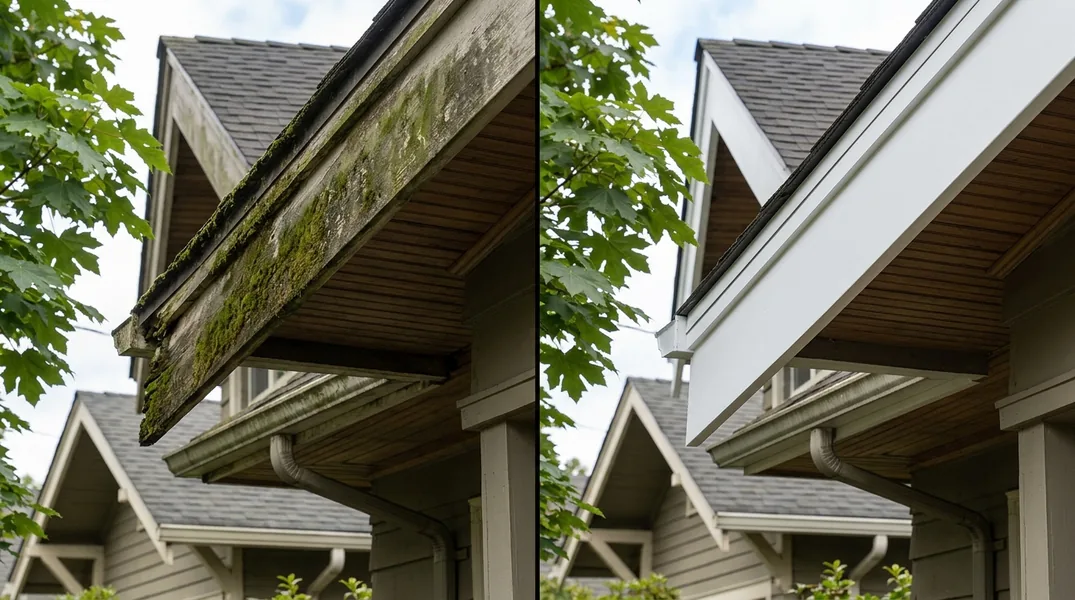
Why Portland Craftsman and Foursquare Homes Demand Special Care
If you own a Craftsman bungalow or Foursquare home in Portland, you've inherited one of the region's most charming architectural styles. These homes, typically built between 1900 and 1930, feature beautiful exposed wood trim, deep eaves, wide porches, and intricate details that define the character of our neighborhoods. But that same wood that gives these homes their soul also requires vigilant maintenance to survive our damp Pacific Northwest climate.
The reality of owning a historic home is this: wood and moisture don't mix well, especially in a climate where rain is practically a seasonal resident. Portland's average annual rainfall of 43 inches means your home's exterior wood faces constant moisture exposure. Craftsman and Foursquare homes, with their older construction methods and aging materials, are particularly vulnerable to wood rot, dry rot, and structural decay. Understanding the specific vulnerabilities of your home's design is the first step toward protecting your investment.
Understanding Wood Rot in Historic Homes
Wood rot comes in two primary forms: wet rot and dry rot. Wet rot occurs when wood stays damp for extended periods, allowing fungal growth to break down the wood's cellular structure. Dry rot, despite its name, also requires moisture to develop, but it can spread more aggressively through a home because it doesn't need constant dampness to thrive. Both types are serious threats to the structural integrity of your Craftsman or Foursquare home, and both are far more common in Portland than many homeowners realize.
The challenge with historic homes is that their construction often masked early signs of wood decay. Hidden rot can develop inside walls, under siding, and within structural beams for years before becoming visible. By the time you notice soft spots in your porch or see discolored wood trim, the damage may have spread significantly. This is why Wood Rot & Dry Rot Repair isn't something to delay. Early intervention can mean the difference between a manageable repair and a major structural overhaul that costs thousands of dollars.
Common Trouble Spots in Craftsman Bungalow Repair
Certain areas of your Craftsman bungalow are more susceptible to rot than others, and knowing where to look can save you money and headaches. The most vulnerable zones include the sill plates (the wood that sits directly on your foundation), the rim joists, window and door frames, and the extensive trim work that Craftsman homes are famous for. Porches and overhangs, which are architectural hallmarks of these homes, are particularly at risk because they're constantly exposed to weather and often lack adequate drainage.
Wood siding repair is another critical maintenance area. Many original Craftsman homes feature horizontal wood siding that, while beautiful, requires regular inspection and maintenance. Water can seep behind siding through cracks, paint failure, or poor caulking, creating the perfect environment for rot to develop. The decorative brackets, exposed rafter tails, and detailed millwork that make Craftsman homes distinctive are also common rot sites because they're harder to paint and maintain than flat surfaces. A thorough inspection of these areas should be part of your annual home maintenance routine, especially in our wet climate.
Foursquare Home Repair: Addressing Structural Vulnerabilities
Foursquare homes, with their distinctive square or nearly square footprint and boxy design, present their own maintenance challenges. These homes often feature flat roofs or low-pitched roofs with minimal overhang, which can lead to water pooling and inadequate drainage. The result is moisture accumulation in areas that many homeowners never see, particularly in the attic spaces and along the perimeter walls where the roof meets the structure. Over time, this hidden moisture creates ideal conditions for both dry rot and structural damage that can compromise the home's integrity.
The upper floor joists and the beam systems that support Foursquare homes are particularly vulnerable to decay. If your home has settled or shifted over its hundred-plus years of existence, gaps may have opened between structural members and exterior walls, allowing water infiltration. In some cases, Floor Joist & Subfloor Repair becomes necessary when rot has compromised the structural support system. This is not a DIY project, and it's not something to put off. Structural decay that goes unaddressed can eventually affect the safety of your home and the safety of everyone living in it.
Historic Home Maintenance Portland: A Year-Round Strategy
Maintaining a historic Craftsman or Foursquare home isn't a one-time project but rather an ongoing commitment. The best defense against wood rot is prevention, which starts with understanding your home's specific vulnerabilities and addressing them proactively. Begin with a comprehensive inspection of your exterior, including all wood surfaces, trim, siding, and structural elements. Look for soft spots, discoloration, paint peeling, or gaps where water might enter. Pay special attention to areas where wood meets masonry, where different materials intersect, and anywhere water naturally collects or runs off.
Gutter maintenance is non-negotiable for historic homes. Clogged gutters cause water to overflow and run down your siding and foundation, creating moisture problems that can take years to fully develop but decades to remedy. Ensure your gutters are clean and properly pitched to direct water away from your home's foundation. Downspouts should extend at least four to six feet from your home's perimeter. Additionally, maintain caulking and weatherstripping around windows and doors, keep your exterior painted or stained to protect wood from UV damage and moisture penetration, and ensure proper drainage around your foundation. These simple steps can prevent thousands of dollars in future repairs.
When to Call a Professional: Wood Rot & Dry Rot Repair Near Me
While preventive maintenance is something every homeowner can do, professional assessment and repair should be part of your maintenance strategy. If you notice any signs of wood decay, soft spots, discoloration, or structural movement in your home, it's time to call in an expert. Attempting to repair wood rot yourself often leads to incomplete removal of damaged material, which allows the rot to continue spreading invisibly. Professional contractors have the tools, experience, and knowledge to identify rot that isn't visible to the untrained eye and to ensure complete removal and proper repair.
Portland Carpentry specializes in historic home repairs, including Wood Rot & Dry Rot Repair for Craftsman and Foursquare homes throughout the region. Our team understands the specific challenges that historic construction presents and knows how to repair your home while preserving its character and structural integrity. If your home shows signs of significant structural damage or if rot has affected load-bearing elements, you may need Beam Replacement & Load-Bearing Wall Removal services to ensure your home remains safe and sound. Don't wait until a small problem becomes a major structural issue. Contact Portland Carpentry at (971) 626-5447 to schedule a free estimate and get professional guidance on your home's specific needs.
Looking for a professional carpentry contractor in Portland? Portland Carpentry responds fast for all your carpentry needs.
Get a Free QuoteOur services: Wood Rot & Dry Rot Repair · Termite Damage Repair · Floor Joist & Subfloor Repair