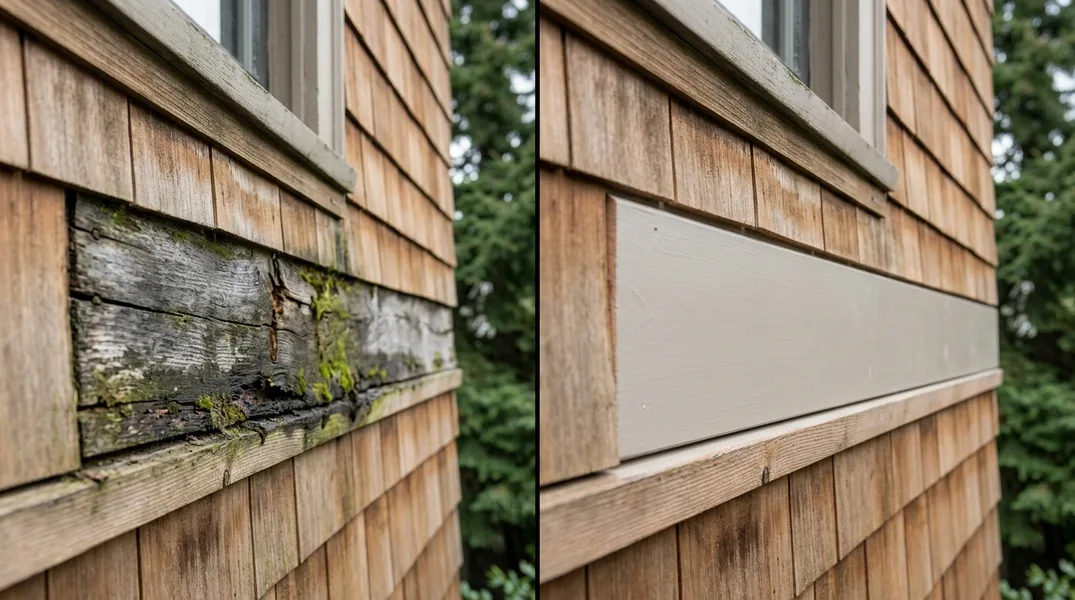
Why Portland Homes Are Especially Vulnerable to Wood Rot
Portland's reputation for rain is well-earned, and that moisture-rich climate is one of the primary reasons wood rot has become such a common problem for homeowners in the area. Unlike drier regions where wood can remain stable for decades, the Pacific Northwest's persistent dampness creates the perfect environment for fungal growth that eats away at wood from the inside out. Most homeowners don't realize that wood rot doesn't require standing water or obvious flooding to develop. Instead, it thrives in conditions of sustained moisture and poor ventilation, which are abundant in older Portland homes.
The combination of Portland's annual rainfall (around 43 inches per year) and the region's cool temperatures means that wood stays damp for extended periods. When wood moisture content reaches 20 percent or higher, fungal spores begin to colonize and spread. This is particularly problematic for exterior wood elements like fascia boards, deck joists, window frames, and siding that face constant exposure to the elements. Even well-maintained homes can develop rot if preventative measures aren't in place, which is why understanding the local risk factors is essential for any homeowner in the area.
The Most Common Portland Homes Most Affected by Wood Rot
Certain types of homes in the Portland area face higher wood rot risk than others. Older homes built before modern moisture barriers and ventilation standards became standard are particularly vulnerable. Many vintage Portland properties feature original wood siding, wooden foundation elements, and attic spaces without adequate ventilation, all of which create ideal conditions for dry rot to take hold. Homes with poor drainage around the foundation, clogged gutters, or inadequate roof overhangs are also at elevated risk, as water runoff can accumulate near wooden structural elements.
Single-story homes with low-pitched roofs and homes surrounded by dense vegetation also tend to experience more wood rot problems. Shade from trees reduces air circulation and keeps wood surfaces damp longer after rain. Similarly, homes in areas with high groundwater or homes built on sloped lots where water naturally flows toward the structure face increased exposure. If your home was built before the 1980s, sits in a shaded area, or has a history of water damage, it's worth having a professional inspection to catch wood rot early before it becomes a costly structural problem.
Signs of Wood Rot: What Every Portland Homeowner Should Know
Identifying Portland wood rot early can save thousands of dollars in repair costs. The most obvious sign is visible softness or sponginess in wood that should be firm. If you can press a screwdriver or awl into exterior wood and it sinks in easily, that's a red flag. You may also notice paint peeling or bubbling on wooden surfaces, which often indicates moisture penetration beneath the paint film. Discoloration, dark staining, or a powdery appearance on wood surfaces are other common indicators that fungal decay is present.
Beyond visual cues, pay attention to structural changes. Doors or windows that stick, floors that feel bouncy or soft underfoot, or visible gaps between wood and adjacent materials can all signal wood rot affecting structural integrity. A musty smell in basements, crawl spaces, or attics is another warning sign. The earlier you catch these symptoms, the more straightforward your Wood Rot & Dry Rot Repair will be. What starts as a small area of softness can quickly spread to compromise entire beams or joists if left untreated.
Dry Rot Versus Wet Rot: Understanding the Difference
Many homeowners use the terms interchangeably, but dry rot and wet rot are distinct problems requiring different approaches. Wet rot occurs in wood with high moisture content (typically above 50 percent) and is often associated with active water intrusion or poor drainage. Wet rot fungi require sustained moisture to spread, which means addressing the underlying moisture source is critical to stopping the problem. Dry rot, on the other hand, is caused by fungi that can spread through wood with lower moisture levels (around 20 to 30 percent) and can actually transport moisture internally, allowing it to spread to seemingly dry wood nearby.
Dry rot is generally more dangerous because it can spread rapidly through a structure without obvious signs of moisture, making it harder to detect and contain. In Portland's climate, both types are common, but the persistent dampness makes dry rot particularly concerning for homeowners. If you notice signs of either type of rot, professional assessment is essential. A qualified carpenter can identify which type you're dealing with and recommend the appropriate treatment strategy, whether that involves moisture control, fungicide application, or structural replacement.
Exterior Wood Rot Repair: What's Involved and When to Act
Portland homeowners should understand that exterior wood rot repair isn't always a simple patch job. The extent of repair depends on how deeply the rot has penetrated and whether structural elements are affected. For surface-level rot on trim, fascia, or siding, a skilled carpenter can often remove the affected wood, treat the area with fungicide, and replace it with new material that matches the original. These repairs are typically straightforward and can prevent the problem from spreading deeper into the structure.
However, if rot has reached structural components like rim joists, beams, or wall framing, the repair becomes more involved. In some cases, severely compromised wood must be completely removed and replaced to restore structural integrity. This is where professional expertise becomes invaluable. A carpenter experienced in wood rot repair portland services will assess the damage, identify and address the moisture source, and determine whether repair or replacement is the best solution. Acting quickly when you notice signs of wood rot can often mean the difference between a manageable repair and a major structural overhaul.
Protecting Your Home: Prevention Strategies for Portland Homeowners
The best approach to wood rot is prevention. Start by ensuring your gutters and downspouts are clean and functioning properly, directing water away from your foundation and wooden elements. Check your roof regularly for missing or damaged shingles that could allow water to penetrate. Trim tree branches that hang over your home to improve air circulation and reduce moisture-trapping shade. Ensure your foundation has adequate drainage and that grading slopes away from the house so water doesn't pool near wooden structural elements.
Inside your home, maintain proper ventilation in attics, crawl spaces, and basements to reduce humidity levels. Install and maintain vapor barriers in crawl spaces, and consider using a dehumidifier in chronically damp areas. Seal cracks and gaps in exterior walls, around windows and doors, and where utilities enter the home. Apply a quality exterior wood stain or sealant every few years to provide a moisture barrier. If you're planning renovations or repairs, consider using pressure-treated lumber or naturally rot-resistant wood species for exposed elements. For homeowners concerned about existing conditions, a professional inspection can identify vulnerabilities before they become costly problems. Contact Portland Carpentry at (971) 626-5447 to schedule a free estimate and learn about preventative options tailored to your home.
When to Call a Professional for Wood Rot & Dry Rot Repair Near You
While some homeowners attempt DIY repairs for minor wood rot, professional assessment is strongly recommended for anything beyond surface-level damage. A qualified carpenter can accurately determine the extent of rot, identify moisture sources, and develop a comprehensive repair plan. If rot affects structural components like floor joists, beams, or load-bearing walls, professional repair is essential for safety and building code compliance. Attempting to repair structural wood rot without proper knowledge can result in an unsafe home and costly mistakes.
Portland Carpentry specializes in Wood Rot & Dry Rot Repair throughout the Portland area, with expertise in identifying and repairing both surface and structural rot. If you've noticed soft wood, paint bubbling, or musty odors in your home, don't wait. Early intervention prevents problems from spreading and keeps repair costs manageable. Call (971) 626-5447 or visit our website to request a free estimate today. Our team will inspect your home, explain what we find, and provide you with clear options for addressing any wood rot issues before they compromise your home's safety and value.
Looking for a professional carpentry contractor in Portland? Portland Carpentry responds fast for all your carpentry needs.
Get a Free QuoteOur services: Wood Rot & Dry Rot Repair · Termite Damage Repair · Floor Joist & Subfloor Repair