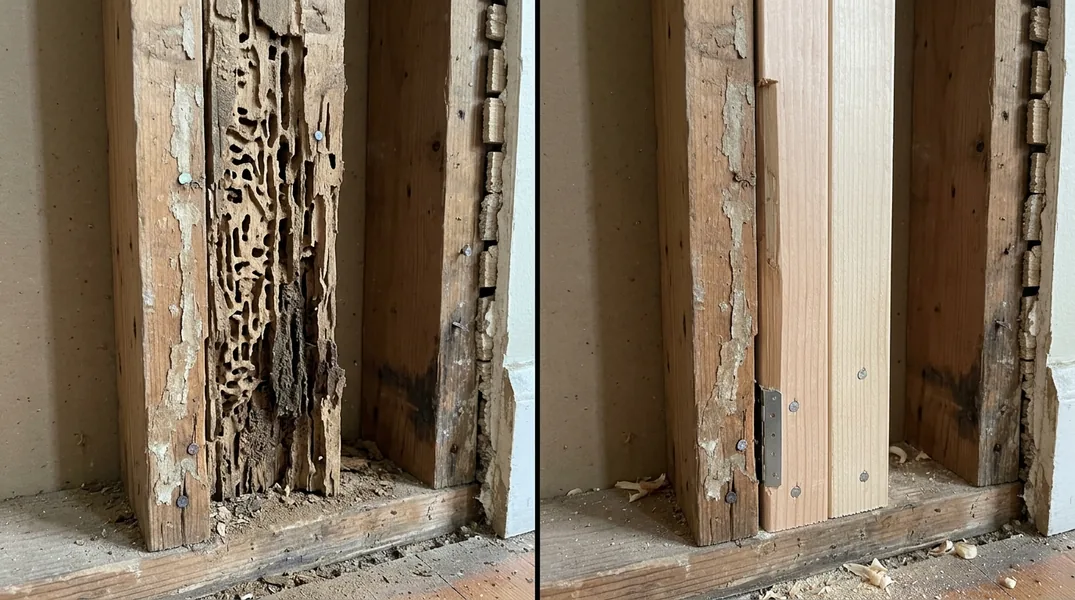
Wood Rot vs Carpenter Ant Damage: What's the Difference?
If you've noticed soft spots in your wooden beams, floors, or siding, you're right to be concerned. But before you panic, it's important to understand whether you're dealing with wood rot or carpenter ant damage. These two problems look similar at first glance, yet they require completely different approaches to fix. Misdiagnosing the issue could mean wasting money on the wrong treatment or, worse, allowing the real problem to worsen.
Wood rot and carpenter ants both damage the structural integrity of your home, but they work in opposite ways. Wood rot is caused by fungi that feed on the wood itself, breaking down its cellulose and leaving behind soft, crumbling material. Carpenter ants, on the other hand, tunnel through wood to create galleries where they nest, but they don't actually eat the wood. Understanding this fundamental difference is your first step toward getting the right repair solution in Portland.
What Does Wood Rot Look Like? Identifying the Signs
Wood rot presents itself in several distinct ways, and learning what does wood rot look like can help you catch the problem early. The most obvious sign is soft, spongy wood that crumbles or feels mushy when you press on it. If you can easily push a screwdriver or your finger into the wood, that's a red flag. The affected area may also appear darker than the surrounding wood, ranging from brown to black depending on the type of rot.
There are two main types of wood rot you might encounter in your Portland home: dry rot and wet rot. Dry rot typically appears as a dark brown, cubical cracking pattern on the wood surface. It thrives in damp conditions, despite its misleading name, and can spread rapidly through your home if left untreated. Wet rot, conversely, keeps the wood softer and may appear greenish or pale. Both types produce a musty odor and often appear near sources of moisture like leaky roofs, poor drainage, or foundation cracks. If you suspect Wood Rot & Dry Rot Repair is needed, the sooner you address it, the less structural damage you'll face.
Carpenter Ant Damage Signs: What to Look For
Carpenter ant damage signs differ noticeably from wood rot, and knowing what to look for can save you thousands in repair costs. Unlike rot, carpenter ants leave behind clean, smooth tunnels and galleries inside the wood. When you break open an infested area, you'll often see sawdust-like debris called frass scattered around the entrance holes. These holes are typically about the size of a pencil eraser, perfectly round, and cleanly cut, which is very different from the rough, crumbling appearance of rotted wood.
Another telltale sign of carpenter ant damage is the presence of the ants themselves, especially during spring and summer months. You might see large black or reddish ants crawling on your walls, in your basement, or near wooden structures. Listen carefully at night: carpenter ants are surprisingly loud and you may hear faint rustling or scratching sounds coming from inside the walls. Unlike termites, carpenter ants don't eat the wood for nutrition; they simply excavate it to make room for their colonies. This means the wood remains structurally sound longer than it would with rot, but the tunneling still weakens your home's framework over time. If you notice these carpenter ant damage signs, it's worth getting a professional inspection to determine the extent of the infestation.
How to Perform a Simple Home Inspection
You don't need to be a carpenter to do a basic inspection of your home for signs of trouble. Start by examining areas that are prone to moisture: crawl spaces, basements, around windows and doors, and under sinks. Use a flathead screwdriver or awl to gently probe the wood. If it sinks in easily, that's a sign of rot. If the wood is hard and you see small, clean holes with sawdust nearby, you're likely looking at carpenter ant activity.
Pay attention to visual clues as well. Look for discoloration, soft spots, or areas where paint is bubbling or peeling. Check for water stains or signs of previous leaks. In Portland's damp climate, wood rot is particularly common, so be thorough around roof edges, gutters, and exterior wood siding. If you find damage that covers an area larger than a few square inches, or if you're unsure what you're looking at, it's time to call in a professional. Portland Carpentry can send a trained eye to assess the situation and recommend the best course of action.
Wood Rot & Dry Rot Repair Near Me: When to Call a Professional
While minor surface damage might seem manageable, wood rot and carpenter ant damage often extend deeper than what's visible to the naked eye. Structural damage that goes unrepaired can compromise the integrity of your entire home, leading to sagging floors, cracked walls, and even collapse in severe cases. This is why professional assessment and repair are so important. A qualified carpenter can determine the full extent of the damage and recommend whether you need simple patching or more extensive work like Floor Joist & Subfloor Repair or Beam Replacement & Load-Bearing Wall Removal.
Portland Carpentry specializes in identifying and repairing both wood rot and pest damage. We understand the unique challenges that come with Wood Rot & Dry Rot Repair in the Pacific Northwest, where moisture is a constant concern. Our team will not only repair the damaged wood but also help you address the underlying moisture issue to prevent future problems. If you've spotted signs of damage in your home, don't wait. Contact Portland Carpentry at (971) 626-5447 to schedule a free estimate and get peace of mind.
Prevention: Protecting Your Portland Home from Future Damage
The best way to deal with wood rot and carpenter ants is to prevent them from taking hold in the first place. Keep your home dry by maintaining gutters and downspouts, ensuring water drains away from your foundation, and fixing leaks promptly. Reduce moisture in crawl spaces with proper ventilation, and consider installing a vapor barrier if you don't have one. Trim tree branches away from your roof and siding to improve air circulation and reduce damp conditions.
Regular inspections are your best defense. Walk around your home at least twice a year, looking for the early warning signs we've discussed. Address any moisture problems immediately, as both wood rot and carpenter ants thrive in damp environments. If you treat your home's moisture issues, you're taking the biggest step toward preventing costly structural damage. Should you discover a problem despite your best efforts, remember that Portland Carpentry is here to help. Call us at (971) 626-5447 or visit our website at https://portland-carpentry.com to learn more about our services and pricing.
Looking for a professional carpentry contractor in Portland? Portland Carpentry responds fast for all your carpentry needs.
Get a Free QuoteOur services: Wood Rot & Dry Rot Repair · Termite Damage Repair · Floor Joist & Subfloor Repair